




Are outdoor wall panels resistant to insects?
 Jun 23, 2025|
 As a supplier of outdoor wall panels, one question I often get asked is whether these panels are resistant to insects. This is a crucial concern for homeowners and property managers alike, as insect infestations can cause significant damage to outdoor structures over time. In this blog post, I'll delve into the factors that determine the insect resistance of outdoor wall panels, the types of panels that offer better protection, and some practical tips for ensuring long - term durability against insects.
Understanding Insect Threats to Outdoor Wall Panels
Insects pose various threats to outdoor wall panels. Termites, for example, are well - known for their ability to chew through wood and cellulose - based materials. They can weaken the structural integrity of wall panels, leading to costly repairs. Carpenter ants also cause damage by excavating galleries in wood to build their nests. Other pests like beetles and wood borers can bore holes into the panels, further compromising their strength and appearance.
Factors Affecting Insect Resistance
Material Composition
The material from which outdoor wall panels are made plays a significant role in their insect resistance.
-
Wooden Panels: Traditional Wooden Outdoor Wall Panel are aesthetically pleasing but are generally more vulnerable to insect attacks. Softwoods like pine and cedar are often preferred for their natural beauty and workability, but they can be a target for termites and other wood - eating insects. However, some types of wood have natural insect - repellent properties. For example, teak contains natural oils that make it less appealing to insects.

-
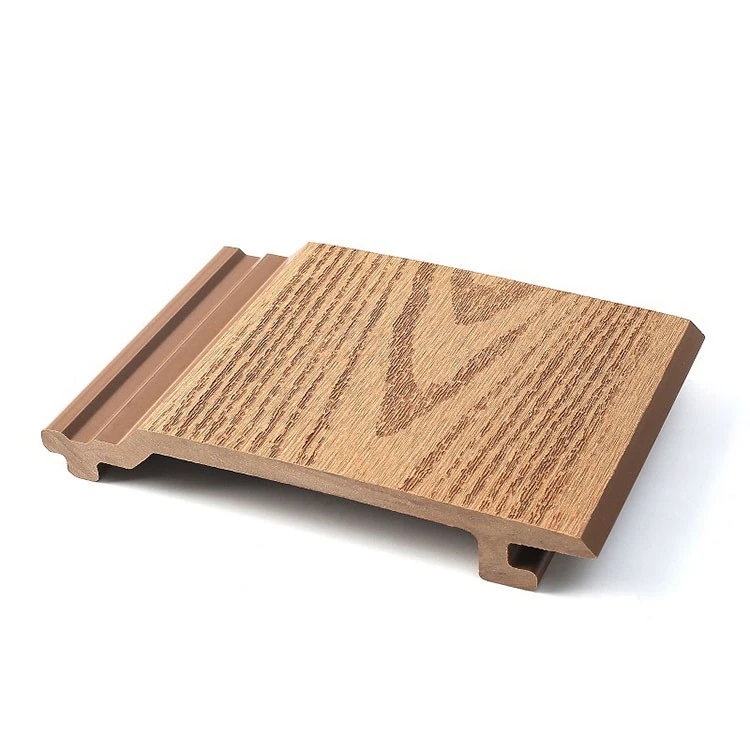
Composite Panels: Composite outdoor wall panels are made from a combination of wood fibers and plastic polymers. These Outdoor Wallboard are engineered to be more resistant to insects compared to pure wood panels. The plastic component acts as a barrier, reducing the accessibility of the wood fibers to insects. Additionally, many composite panels are treated with chemicals during the manufacturing process to enhance their insect resistance.
-
Co - extrusion WPC Wall Panels: Co - extrusion WPC Wall Panels are a type of composite panel that offers even better insect resistance. The co - extrusion process creates a protective outer layer that is extremely difficult for insects to penetrate. This outer layer not only resists insects but also provides protection against moisture, UV rays, and other environmental factors.
Treatment and Finishes
The treatment and finishes applied to outdoor wall panels can significantly enhance their insect resistance.
-
Chemical Treatments: Some panels are treated with insecticides during the manufacturing process. These chemicals are designed to repel or kill insects that come into contact with the panels. For example, pressure - treated wood panels are infused with chemicals under high pressure, ensuring that the treatment penetrates deep into the wood. This provides long - lasting protection against termites and other pests.
-
Sealers and Paints: Applying a high - quality sealer or paint to outdoor wall panels can create a physical barrier that prevents insects from accessing the panel material. Sealers fill the pores of the panels, making it more difficult for insects to bore into them. Paints with insect - repellent properties can also be used to add an extra layer of protection.
Types of Outdoor Wall Panels and Their Insect Resistance
Natural Stone Panels
Natural stone panels, such as granite or limestone, are highly resistant to insects. Insects have no interest in chewing through stone, as it provides no nutritional value. Stone panels are also very durable and can withstand harsh environmental conditions. However, they can be heavy and more expensive to install compared to other types of outdoor wall panels.
Metal Panels
Metal panels, such as aluminum or steel, are also insect - resistant. Insects cannot damage metal structures, and metal panels are generally very low - maintenance. They are also fire - resistant and can provide good insulation. However, metal panels may require some form of protective coating to prevent rusting.
Fiber Cement Panels
Fiber cement panels are made from a combination of cement, sand, and cellulose fibers. These panels are resistant to insects, as the cement matrix makes it difficult for insects to penetrate. They are also fire - resistant, moisture - resistant, and have a long lifespan. Fiber cement panels can be painted or stained to achieve the desired aesthetic.
Practical Tips for Ensuring Insect Resistance
Proper Installation
Proper installation is crucial for ensuring the long - term insect resistance of outdoor wall panels.
-
Gap Management: Leave appropriate gaps between the panels and the ground or other structures. This allows for proper ventilation and reduces the likelihood of moisture buildup, which can attract insects. For example, panels should be installed at least 6 inches above the ground.
-
Sealing Joints: Seal all joints and seams between the panels to prevent insects from entering. Use a high - quality sealant that is resistant to weathering and can withstand temperature changes.
Regular Maintenance
Regular maintenance is essential for keeping outdoor wall panels insect - free.
-
Inspection: Conduct regular inspections of the panels for signs of insect damage, such as holes, sawdust, or insect activity. Early detection can prevent minor problems from turning into major infestations.
-
Cleaning: Keep the panels clean by removing dirt, debris, and vegetation. Insects are attracted to areas with food sources and shelter, so keeping the panels clean reduces the likelihood of an infestation.
-
Treatment Reapplication: If the panels were treated with insecticides or other protective chemicals, follow the manufacturer's recommendations for reapplication. Over time, these treatments may wear off, and reapplication is necessary to maintain their effectiveness.
Conclusion
In conclusion, the insect resistance of outdoor wall panels depends on several factors, including the material composition, treatment, and installation. As a supplier, I offer a wide range of outdoor wall panels, from Wooden Outdoor Wall Panel to Co - extrusion WPC Wall Panels, each with its own level of insect resistance. By understanding the different types of panels and taking the necessary precautions, homeowners and property managers can ensure that their outdoor wall panels remain insect - free for many years to come.
If you're interested in purchasing outdoor wall panels and want to learn more about their insect resistance or other features, I encourage you to reach out to me. I'm here to help you make the right choice for your project and ensure that you get the best value for your investment.
References
- Building Construction Handbook. McGraw - Hill Education.
- Encyclopedia of Wood Science and Technology. Wiley - Blackwell.
- Journal of Entomological Research on Building Materials.