




Do mesh fibers in windows require any special tools for installation?
 Dec 30, 2025|
 As a seasoned provider of Mesh Fiber for Windows, I often encounter queries from clients and enthusiasts regarding the installation process. One of the most frequently asked questions is, "Do mesh fibers in windows require any special tools for installation?" In this blog, I'll delve into the details, explore the tools needed, and provide insights to ensure a smooth installation experience.
Understanding Mesh Fibers for Windows
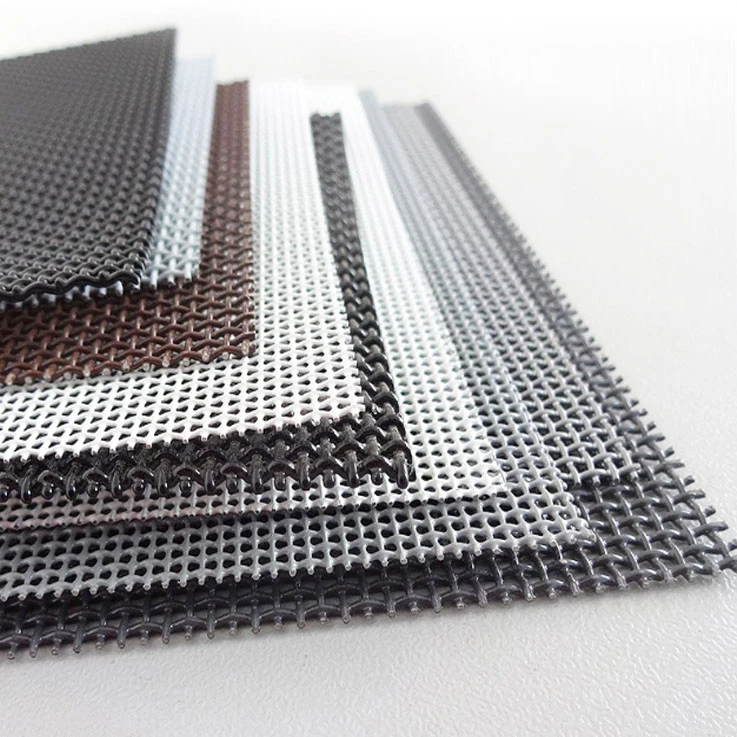
Mesh fibers for windows come in various types, each with its own unique properties and uses. For example, the Ventilation Screen is designed to allow fresh air to circulate while keeping insects out. It's a popular choice for homes and offices alike. On the other hand, the Polyester PVC Gray and Black Gauze Mesh offers enhanced durability and protection, making it suitable for areas prone to harsh weather conditions. The 201 Diamond Wire Mesh provides a high level of security and is often used in commercial buildings and high-risk areas.

Basic Tools for Mesh Fiber Installation
For most standard mesh fiber in window installations, you won't need a vast array of special tools. In fact, many of the tools you'll need are likely already in your home toolbox. Here's a list of basic tools you'll require:
- Measuring Tape: Accurate measurements are crucial for a proper fit. Use a measuring tape to measure the dimensions of your window frame.
- Scissors or Utility Knife: You'll need a cutting tool to trim the mesh fiber to the correct size. Scissors work well for lightweight meshes, while a utility knife is better for thicker materials.
- Screwdriver: Depending on the type of window frame and installation method, you may need a screwdriver to remove and replace screws.
- Staple Gun or Adhesive: These are used to secure the mesh fiber to the window frame. A staple gun is a quick and easy option, while adhesive provides a more permanent solution.
- Pliers: Pliers can be useful for bending and shaping the mesh fiber, as well as for removing any stubborn staples or nails.
Specialized Tools for Specific Situations
While the basic tools mentioned above will suffice for most installations, there are certain situations where you may need specialized tools. Here are a few examples:
- Window Screen Roller: This tool is used to create a professional-looking edge on the mesh fiber. It rolls the mesh around a spline, which is then inserted into the window frame groove.
- Spline Removal Tool: If you're replacing an existing mesh fiber, you'll need a spline removal tool to remove the old spline and mesh from the window frame.
- Power Drill: For more complex installations, such as those involving metal or wooden frames, a power drill may be necessary to create holes for screws or other fasteners.
- Heat Gun: Heat guns are used to shrink certain types of mesh fibers, such as PVC-coated meshes. This helps to ensure a tight and secure fit.
Installation Process
Now that you know what tools you'll need, let's take a look at the general installation process for mesh fibers in windows:
- Measure the Window Frame: Use a measuring tape to measure the width and height of the window frame. Add a few inches to each measurement to allow for trimming.
- Cut the Mesh Fiber: Use scissors or a utility knife to cut the mesh fiber to the correct size. Make sure to leave a little extra material around the edges for a proper fit.
- Prepare the Window Frame: Remove any old mesh, spline, or debris from the window frame. Clean the frame thoroughly to ensure a good adhesive bond or staple grip.
- Attach the Mesh Fiber: Depending on the installation method you've chosen, use a staple gun or adhesive to secure the mesh fiber to the window frame. Start at one corner and work your way around, making sure the mesh is taut and free of wrinkles.
- Trim the Excess Mesh: Once the mesh is attached, use scissors or a utility knife to trim any excess material from the edges.
- Install the Spline (if applicable): If you're using a window screen roller, insert the spline into the roller and roll it along the edge of the mesh fiber. This will create a professional-looking edge and help to keep the mesh in place.
- Check for Proper Fit: Once the installation is complete, check the mesh fiber to make sure it fits properly and is secure. There should be no gaps or loose areas.
Tips for a Successful Installation
To ensure a successful installation, here are a few tips to keep in mind:
- Read the Instructions: Before you begin the installation process, make sure you read the manufacturer's instructions carefully. This will help you understand any specific requirements or recommendations for your particular type of mesh fiber.
- Work in a Clean and Dry Environment: A clean and dry work environment will help to ensure a good adhesive bond or staple grip. Avoid working in areas with high humidity or moisture, as this can affect the performance of the adhesive or staples.
- Take Your Time: Installation can be a time-consuming process, especially if you're doing it for the first time. Take your time and make sure you do it right. Rushing through the installation can lead to mistakes and a less-than-perfect result.
- Seek Professional Help if Needed: If you're not comfortable with the installation process or if you have any questions or concerns, don't hesitate to seek professional help. A qualified installer can ensure that your mesh fiber is installed correctly and safely.
Conclusion
In conclusion, while mesh fibers in windows don't necessarily require any special tools for installation, having the right tools on hand can make the process much easier and more efficient. By using the basic tools mentioned above and following the installation process outlined in this blog, you can install mesh fibers in your windows like a pro.
If you're interested in purchasing mesh fibers for your windows, I encourage you to contact us to discuss your specific needs and requirements. Our team of experts is here to help you choose the right product and provide you with the support and guidance you need to ensure a successful installation.
References
- Manufacturer's instructions for mesh fiber products
- DIY home improvement guides and resources