




How to repair nylon fabric?
 Dec 05, 2025|
 As a nylon supplier, I've witnessed firsthand the durability and versatility of nylon fabric. However, even the toughest materials can sometimes face wear and tear. In this blog, I'll share some effective ways to repair nylon fabric, ensuring that your nylon - made items can serve you for a long time.
Understanding Nylon Fabric
Before we dive into the repair methods, it's essential to understand what nylon is. Nylon is a synthetic polymer known for its high strength, elasticity, and resistance to abrasion. It's commonly used in a wide range of products, from clothing and outdoor gear to industrial applications. Different types of nylon may have slightly different properties, but generally, they are all relatively easy to work with when it comes to repairs.

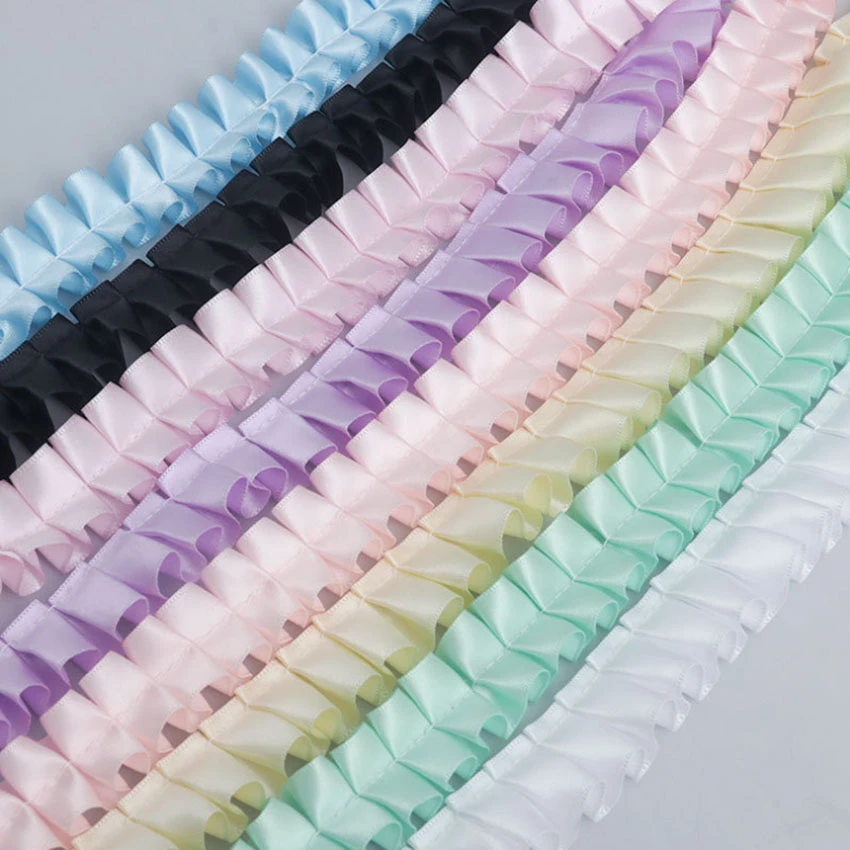
Tools and Materials Needed for Nylon Fabric Repair
To repair nylon fabric, you'll need a few basic tools and materials:
- Needle and Thread: Select a strong, nylon - based thread that matches the color of your fabric as closely as possible. Nylon thread is ideal because it has similar properties to the fabric, ensuring a durable repair.
- Fabric Glue: A good - quality fabric glue can be used for quick fixes, especially for small tears or loose seams. Make sure the glue is suitable for use on nylon.
- Patch Material: You can use spare nylon fabric or specialized patch kits. The patch should be of a similar thickness and texture to the damaged fabric.
- Scissors: Sharp scissors are necessary for cutting the patch material and trimming any loose threads.
- Iron: An iron can be used to heat - bond some types of patches or to flatten seams after sewing.
Step - by - Step Repair Guide
Repairing Small Tears
- Clean the Area: Before starting the repair, clean the damaged area with a mild detergent and water. This helps remove any dirt or debris that could interfere with the repair process. Let the fabric dry completely.
- Use Fabric Glue: For very small tears, apply a thin layer of fabric glue along the edges of the tear. Press the edges together firmly and hold them in place for a few minutes until the glue starts to set. You can use a piece of wax paper or a scrap of fabric to prevent the glue from sticking to your fingers.
- Sew the Tear (Optional): If you want a more secure repair, you can also sew the tear. Thread your needle with nylon thread and start stitching along the edge of the tear using a small, even stitch. Knot the thread at the end to secure the repair.
Fixing Larger Tears
- Cut a Patch: Measure the size of the tear and cut a patch that is slightly larger than the damaged area. You can use a spare piece of nylon fabric or a pre - cut patch from a kit.
- Position the Patch: Place the patch over the tear, aligning it carefully. If the patch has a backing, remove it according to the manufacturer's instructions.
- Sew the Patch: Use a sewing machine or sew by hand to attach the patch to the fabric. Start by stitching around the edges of the patch, using a zig - zag stitch or a straight stitch. Make sure to sew close to the edge of the patch to ensure a secure bond.
- Finish the Edges: To prevent fraying, you can use a serger or a zig - zag stitch to finish the edges of the patch. This also gives the repair a more professional look.
Repairing Loose Seams
- Re - sew the Seam: If the seam has come apart, thread your needle and start re - sewing the seam using the same stitch pattern as the original seam. Make sure to catch all the layers of fabric and sew evenly.
- Apply Fabric Glue (Optional): For extra reinforcement, you can apply a small amount of fabric glue along the seam after sewing. This helps prevent the seam from coming apart again.
Special Considerations for Different Nylon Products
Nylon Clothing
When repairing nylon clothing, such as jackets or pants, pay attention to the style and fit of the garment. Make sure the repair doesn't affect the overall look or comfort of the clothing. You can also use decorative stitches or patches to add a unique touch to the repair. For example, if you're repairing a tear on a nylon jacket, you could use a patch with a cool design to make it look like a deliberate fashion statement.
Nylon Outdoor Gear
Outdoor gear like tents, backpacks, and sleeping bags are often exposed to harsh conditions. When repairing these items, make sure the repair is waterproof and durable. You can use waterproof fabric glue or special waterproof patches. For example, if your tent has a small tear, you can use a waterproof patch kit to seal the tear and prevent water from leaking in.
Nylon Industrial Products
Industrial nylon products may require more heavy - duty repairs. In some cases, you may need to use specialized tools or techniques. For example, if you're repairing a nylon conveyor belt, you may need to use a vulcanizing process to ensure a strong and long - lasting repair.
Related Nylon Products from Our Supply
As a nylon supplier, we offer a wide range of nylon products that can be useful for both repair and new projects. For instance, our Hemming Webbing (paiping Rib) is great for finishing the edges of nylon fabric, adding a neat and professional look. Our Marshall Lace Ribbons can be used for decorative purposes on nylon clothing or to reinforce seams. And our Silk Ribbon in Clothes can add a touch of elegance to any nylon garment.
Conclusion
Repairing nylon fabric is a skill that can save you money and extend the life of your nylon products. By following the steps outlined in this blog and using the right tools and materials, you can easily fix small tears, loose seams, and other common issues. Whether you're a DIY enthusiast or a professional, these repair techniques will come in handy.
If you're interested in purchasing high - quality nylon products for repair or new projects, we'd love to hear from you. Contact us to discuss your requirements and start a procurement negotiation. We're committed to providing the best nylon materials and excellent customer service.
References
- "Textile Science and Technology: Nylon Fibers" by various authors
- "Repair and Maintenance of Outdoor Gear" - a guidebook for outdoor enthusiasts
- Manufacturer's instructions for nylon fabric and repair materials