




Can I use sealant outdoors?
 Nov 07, 2025|
 Can I use sealant outdoors?
When it comes to outdoor projects, whether it's sealing gaps around windows, waterproofing a patio, or caulking joints in a deck, the question of whether you can use sealant outdoors is a common one. As a sealant supplier, I'm here to provide you with comprehensive information on this topic.
Understanding Outdoor Conditions
Outdoor environments present a unique set of challenges for sealants. They are exposed to a wide range of weather conditions, including extreme temperatures, sunlight, rain, snow, and wind. These factors can cause sealants to expand and contract, crack, or degrade over time. Therefore, not all sealants are suitable for outdoor use.

Types of Sealants Suitable for Outdoor Use
- Silicone Sealants
Silicone sealants are a popular choice for outdoor applications due to their excellent weather resistance. They can withstand a wide range of temperatures, from extreme cold to high heat, without losing their flexibility or adhesion. Structural Silicon Sealant is specifically designed for structural applications where high strength and durability are required. It can be used to seal joints in buildings, bridges, and other outdoor structures.
Another type is Transparent Silicon Sealant, which is ideal for applications where a clear finish is desired. It is often used for sealing around glass windows, aquariums, and other transparent surfaces. The transparency allows for a seamless appearance while still providing effective sealing.
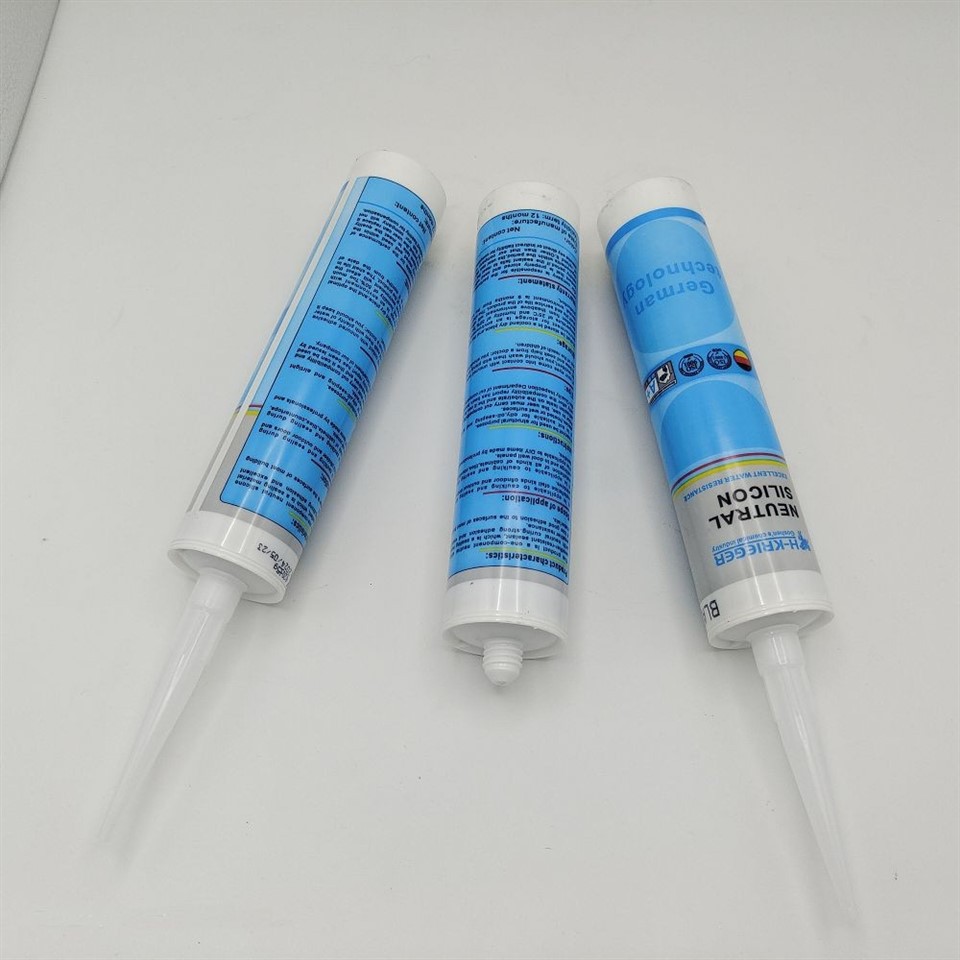
Neutral Silicon Sealant is also a great option for outdoor use. It is non - corrosive and has a low odor, making it suitable for a variety of materials, including metals, plastics, and ceramics. It can be used in both interior and exterior applications, providing long - lasting protection against water, air, and dust.
-
Polyurethane Sealants
Polyurethane sealants are known for their high flexibility and excellent adhesion. They can stretch and contract with the movement of the materials they are sealing, making them suitable for areas that experience a lot of movement, such as expansion joints in concrete slabs. Polyurethane sealants also have good resistance to abrasion, chemicals, and UV radiation, which are important factors in outdoor environments. -
Acrylic Sealants
Acrylic sealants are relatively inexpensive and easy to apply. They are water - based, which means they have low odor and are environmentally friendly. While they may not have the same level of durability as silicone or polyurethane sealants, they can still be used for some outdoor applications, such as sealing small gaps around doors and windows. However, they are more prone to cracking and degradation over time, especially in harsh weather conditions.
Factors to Consider When Using Sealant Outdoors
- Temperature Resistance
As mentioned earlier, outdoor temperatures can vary greatly. You need to choose a sealant that can withstand the temperature range in your area. For example, in extremely cold climates, a sealant that remains flexible at low temperatures is essential to prevent cracking. In hot climates, a sealant that does not soften or lose its adhesion in high heat is required. - UV Resistance
Sunlight contains ultraviolet (UV) rays, which can cause sealants to break down and lose their properties over time. Look for sealants that are specifically formulated with UV inhibitors to protect against this damage. This is particularly important for sealants that will be exposed to direct sunlight for long periods. - Water Resistance
One of the main functions of outdoor sealants is to prevent water from entering joints and causing damage. A good outdoor sealant should have excellent water - resistance properties to keep your structures dry and protected. It should also be able to withstand continuous exposure to rain, snow, and humidity without losing its effectiveness. - Movement Accommodation
Materials in outdoor structures expand and contract due to temperature changes, moisture, and other factors. The sealant you choose should be able to accommodate this movement without cracking or losing its adhesion. This is especially important for larger joints and areas that experience significant movement.
Application Tips for Outdoor Sealant Use
- Surface Preparation
Proper surface preparation is crucial for the success of any sealant application. The surface should be clean, dry, and free of dirt, grease, and loose particles. Use a suitable cleaner and a brush or scraper to remove any contaminants. For some materials, such as metal or plastic, it may be necessary to prime the surface to improve adhesion. - Tool Selection
Choose the right tools for applying the sealant. A caulking gun is commonly used for applying sealants from tubes. Make sure the gun is in good working condition and can dispense the sealant evenly. You may also need a putty knife or a sealant finishing tool to smooth the sealant and create a neat appearance. - Application Technique
Apply the sealant in a continuous bead, keeping the nozzle at a consistent angle and speed. Fill the joint completely, but avoid over - applying the sealant. Use a putty knife or a finishing tool to smooth the surface of the sealant and remove any excess. This will help to ensure a proper seal and a professional - looking finish. - Curing Time
Allow the sealant to cure according to the manufacturer's instructions. Curing time can vary depending on the type of sealant, temperature, and humidity. Avoid exposing the sealant to water or other contaminants during the curing process to ensure proper adhesion and performance.
Conclusion
In conclusion, yes, you can use sealant outdoors, but it's important to choose the right type of sealant for the specific application and consider the outdoor conditions. As a sealant supplier, we offer a wide range of high - quality sealants that are suitable for various outdoor projects. Whether you need a Structural Silicon Sealant for a large - scale construction project or a Transparent Silicon Sealant for a small DIY job, we have the products to meet your needs.
If you're interested in purchasing our sealants or have any questions about their use, we encourage you to contact us for a detailed discussion. Our team of experts is ready to assist you in selecting the best sealant for your outdoor project and providing you with all the necessary information and support.
References
- ASTM International. (2023). Standards related to sealants for building and construction applications.
- Sealant Manufacturers Association. (2023). Technical guides on sealant performance and application.