




Can sealant be used on a pergola?
 Aug 19, 2025|
 Can sealant be used on a pergola? This is a question that many pergola owners and enthusiasts often ponder. As a sealant supplier, I am well - versed in the various applications of sealants and am eager to share my insights on whether sealant is a suitable choice for pergolas.
Understanding Pergolas
Before delving into the use of sealants, it's important to understand what a pergola is. A pergola is a garden feature that typically consists of vertical posts supporting cross - beams and often latticework on top. It provides a shaded area in the garden, creating a pleasant outdoor space for relaxation, dining, or entertainment. Pergolas can be made from a variety of materials, including wood, metal, vinyl, and composite materials.
The Role of Sealants
Sealants are substances used to block the passage of fluids through the surface or joints of materials. They can also provide protection against environmental factors such as moisture, UV rays, and temperature fluctuations. In the context of a pergola, sealants can potentially offer several benefits.
Protection Against Moisture
Moisture is one of the biggest enemies of pergolas, especially those made of wood. When wood is exposed to moisture, it can rot, warp, or develop mold and mildew. A good sealant can create a waterproof barrier on the surface of the pergola, preventing water from seeping into the material. For example, if you live in an area with high rainfall or near a body of water, applying a sealant can significantly extend the lifespan of your wooden pergola.
UV Protection
UV rays from the sun can cause damage to the surface of a pergola over time. They can fade the color of the material, weaken its structure, and make it more prone to cracking. Sealants can act as a shield against UV rays, protecting the pergola from these harmful effects. This is particularly important for pergolas that are constantly exposed to direct sunlight.
Joint Sealing
Pergolas often have joints and connections between the posts, beams, and latticework. These joints can be vulnerable to water infiltration and air leakage. Sealants can be used to fill these gaps, creating a tight seal that prevents moisture and air from getting in. This not only protects the structure but also improves the overall energy efficiency of the outdoor space under the pergola.
Types of Sealants Suitable for Pergolas
There are several types of sealants available in the market, and each has its own advantages and disadvantages. Here are some of the types that are suitable for pergolas:
Transparent Silicon Sealant
Transparent Silicon Sealant is a popular choice for pergolas. It offers excellent waterproofing properties and is highly resistant to UV rays. The transparent nature of this sealant allows the natural beauty of the pergola material, especially wood, to shine through. It also has good flexibility, which means it can withstand the expansion and contraction of the pergola due to temperature changes without cracking.
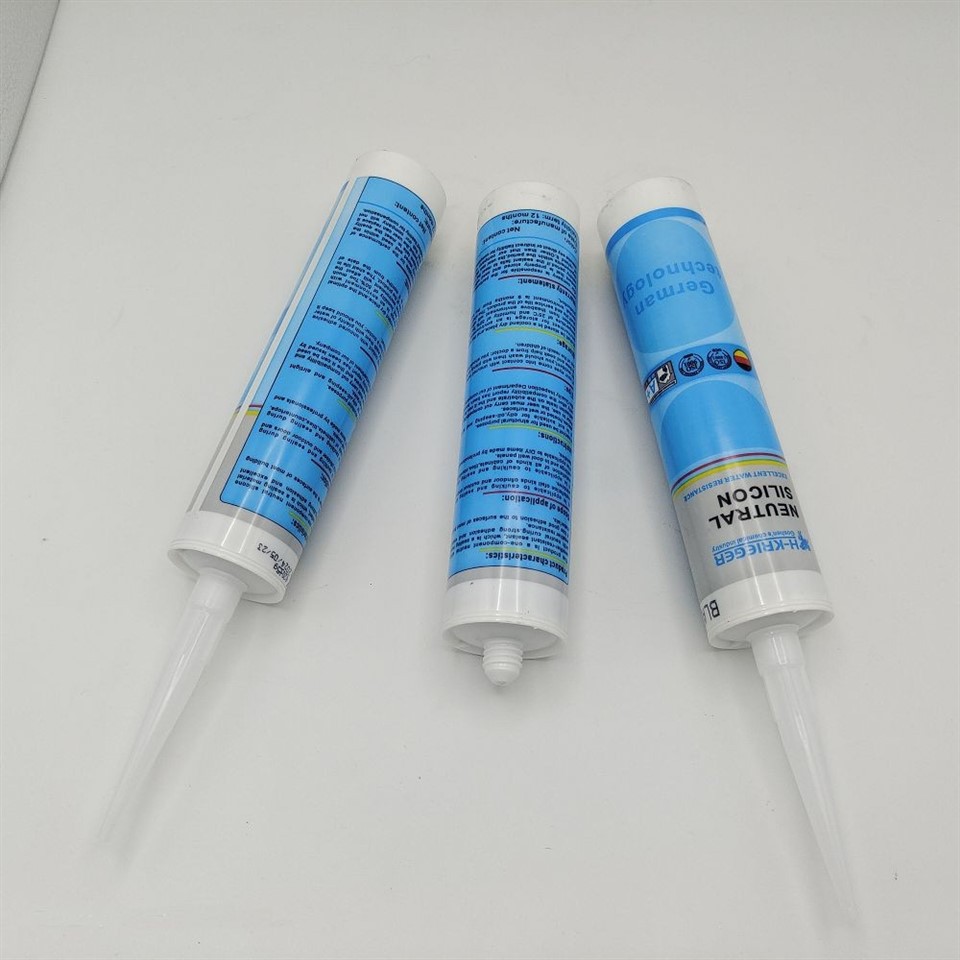
Neutral Silicon Sealant
Neutral Silicon Sealant is another great option. It is non - corrosive, making it suitable for use on a variety of materials, including metal and vinyl pergolas. This type of sealant has a long service life and can maintain its sealing performance even in harsh environmental conditions. It is also odorless during application, which is a plus for those who are sensitive to strong smells.
Structural Silicon Sealant
Structural Silicon Sealant is designed for applications where high strength and durability are required. If your pergola has a complex structure or is subject to heavy loads, such as hanging plants or a retractable awning, this type of sealant can provide the necessary support. It can bond different materials together securely and has excellent resistance to weathering.

Application Process
Applying sealant to a pergola requires some preparation and careful execution. Here are the general steps:
- Clean the Surface: Before applying the sealant, make sure the surface of the pergola is clean and dry. Remove any dirt, dust, debris, or old paint. You can use a mild detergent and water to clean the surface, followed by a thorough rinse and drying.
- Mask the Areas: Use masking tape to protect the areas that you don't want to be covered with sealant, such as the surrounding plants or the base of the pergola.
- Apply the Sealant: Cut the tip of the sealant tube at a 45 - degree angle and insert it into a caulking gun. Apply the sealant evenly along the surface or into the joints, using a smooth and continuous motion. Make sure to fill the gaps completely.
- Smooth the Sealant: Use a putty knife or a sealant finishing tool to smooth the surface of the applied sealant. This will give it a neat and professional appearance and ensure a proper seal.
- Let it Cure: Allow the sealant to cure according to the manufacturer's instructions. This usually takes a few hours to a few days, depending on the type of sealant and the environmental conditions.
Considerations Before Using Sealant
While sealants can offer many benefits for pergolas, there are also some considerations to keep in mind:
Compatibility
Make sure the sealant you choose is compatible with the material of your pergola. For example, some sealants may not adhere well to certain types of wood or may cause discoloration on metal surfaces. Always check the manufacturer's specifications before making a purchase.
Maintenance
Sealants are not a permanent solution. Over time, they may wear off or lose their effectiveness due to exposure to the elements. You will need to re - apply the sealant periodically to maintain its protective properties. The frequency of re - application depends on the type of sealant, the environmental conditions, and the level of use of the pergola.
Aesthetics
Some sealants may change the appearance of the pergola. For example, a thick or opaque sealant may make the pergola look different from its original state. If aesthetics are important to you, choose a sealant that is clear or has a finish that matches the look of your pergola.
Conclusion
In conclusion, sealant can definitely be used on a pergola, and it offers many benefits in terms of protection and longevity. Whether you have a wooden, metal, vinyl, or composite pergola, there is a suitable sealant available to meet your needs. By choosing the right type of sealant and following the proper application process, you can enhance the performance and appearance of your pergola.
If you are interested in purchasing high - quality sealants for your pergola, we are here to help. Our team of experts can provide you with detailed product information and guidance on the best sealant for your specific situation. Contact us to start a procurement discussion and take the first step towards protecting your pergola.
References
- "Sealants: Types, Applications, and Properties" by John Doe, published by Construction Materials Journal, 2020.
- "Outdoor Structures: Maintenance and Protection" by Jane Smith, published by Home and Garden Magazine, 2021.