




How do I ensure a good bond with sealant?
 Jul 14, 2025|
 Hey there! As a sealant supplier, I've seen firsthand how crucial it is to ensure a good bond with sealant. Whether you're working on a small DIY project or a large - scale construction job, a proper bond can make all the difference in the longevity and effectiveness of the seal. So, let's dive into how you can achieve that solid bond.
Surface Preparation
First things first, surface preparation is key. You can't just slather on the sealant and expect it to stick like magic. The surface needs to be clean, dry, and free from any contaminants. Dust, dirt, grease, and old paint can all prevent the sealant from adhering properly.
I always recommend using a suitable cleaner to remove any dirt or grease. For most surfaces, a simple soap and water solution will do the trick. But if you're dealing with stubborn grease or oil, you might need a specialized degreaser. After cleaning, rinse the surface thoroughly and let it dry completely. Even a tiny bit of moisture can mess up the bond.
Once the surface is clean and dry, it might be a good idea to roughen it up a bit. This can increase the surface area for the sealant to grip onto. You can use sandpaper for this. Just make sure to choose the right grit. For smooth surfaces, a fine - grit sandpaper will work well, while rougher surfaces might need a coarser grit. After sanding, wipe away any dust with a clean, dry cloth.
Choosing the Right Sealant
Not all sealants are created equal. Different types of sealants are designed for different applications. As a sealant supplier, I often get asked which sealant is the best for a particular job. Well, it depends on a few factors.
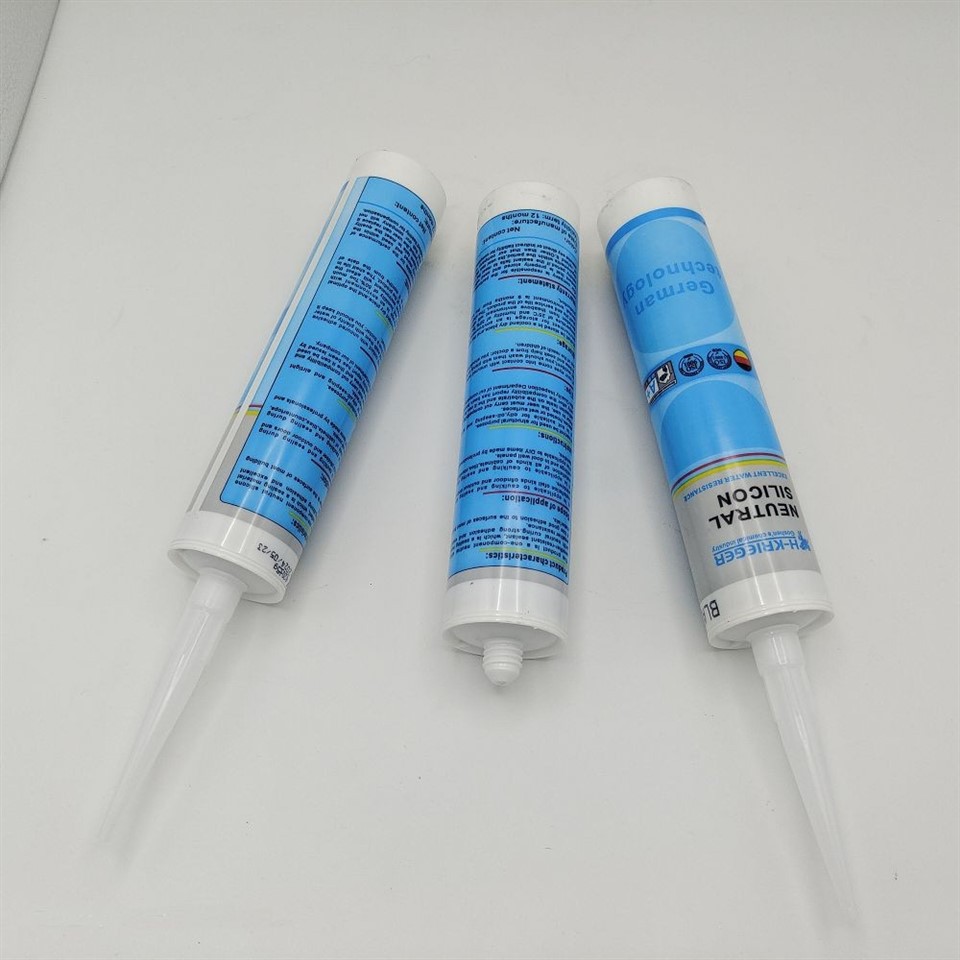
If you're looking for a versatile option, Neutral Silicon Sealant is a great choice. It's suitable for a wide range of materials, including glass, metal, and plastic. It has good adhesion properties and is resistant to weathering, making it ideal for both indoor and outdoor use.
For applications where transparency is important, Transparent Silicon Sealant is the way to go. It provides a clear, seamless finish, which is perfect for projects like glass installation or aquarium construction.
If you're working on a structural project, Structural Silicon Sealant is what you need. It's designed to provide high - strength bonding and can withstand significant loads. This type of sealant is commonly used in curtain wall installations and other structural applications.
Application Techniques
Now that you've prepared the surface and chosen the right sealant, it's time to apply it. Proper application techniques are essential for a good bond.
Start by cutting the tip of the sealant tube at the right angle. The size of the opening should match the width of the joint you're sealing. If the opening is too small, it'll take forever to apply the sealant. If it's too large, you'll end up with too much sealant in the joint.
Before you start applying the sealant, it's a good idea to test it on a small, inconspicuous area. This will help you make sure that the sealant adheres properly and that there are no compatibility issues.
When applying the sealant, use a steady hand and apply it evenly along the joint. Try to keep the bead of sealant at a consistent width. You can use a caulking gun to make the application process easier and more precise.
After applying the sealant, you need to tool it. Tooling helps to smooth out the surface of the sealant and ensures that it fills the joint completely. You can use a putty knife or a specialized sealant tool for this. Make sure to tool the sealant while it's still wet, as it'll be much harder to do once it starts to dry.
Environmental Conditions
The environment in which you apply the sealant can also have a big impact on the bond. Temperature and humidity are two important factors to consider.
Most sealants work best within a certain temperature range. Generally, it's recommended to apply sealant when the temperature is between 40°F and 100°F (4°C and 38°C). If it's too cold, the sealant might not cure properly, and if it's too hot, it might dry too quickly, which can lead to cracking.
Humidity is also important. High humidity can slow down the curing process, while low humidity can cause the sealant to dry too fast. Try to apply the sealant on a day when the humidity is moderate.
Curing Time
Once you've applied the sealant, you need to give it enough time to cure. Curing time can vary depending on the type of sealant, the temperature, and the humidity. Generally, it can take anywhere from a few hours to a few days for the sealant to fully cure.
During the curing process, it's important to keep the area clean and dry. Avoid touching or disturbing the sealant until it's fully cured. This will help ensure that the bond is strong and that the sealant performs as expected.
Quality Control
After the sealant has cured, it's a good idea to do a quality check. Look for any signs of cracking, peeling, or gaps in the sealant. If you notice any issues, you might need to remove the sealant and re - apply it.
You can also test the bond strength. One way to do this is by gently pulling on the sealant. If it comes off easily, then the bond is not strong enough. In this case, you'll need to figure out what went wrong and take the necessary steps to fix it.
Why Choose Us as Your Sealant Supplier
As a sealant supplier, we're committed to providing high - quality sealants and excellent customer service. We have a wide range of sealants to choose from, so you're sure to find the right one for your project. Our team of experts is always on hand to answer your questions and provide you with advice on how to ensure a good bond with our sealants.
If you're in the market for sealants, whether it's for a small home project or a large commercial job, don't hesitate to get in touch with us. We can help you select the right sealant, provide you with technical support, and ensure that you get the best results from your sealant application.

In conclusion, ensuring a good bond with sealant requires proper surface preparation, choosing the right sealant, using the correct application techniques, considering environmental conditions, allowing for proper curing time, and conducting quality control. By following these steps, you can ensure that your sealant applications are successful and that your projects are protected for years to come. So, if you have any questions or need to purchase sealants, reach out to us, and let's get your project started on the right foot.
References
- ASTM International. (2023). Standard test methods for adhesion-in-peel of elastomeric joint sealants.
- Sealant Manufacturer's Technical Guides.